
Sharper every day.
Tutorials, analysis, and career playbooks across 12 disciplines, from cloud and cybersecurity to leadership, finance, and emerging tech. Written by people doing the work. Published daily.
- Articles published
- 17
- Disciplines covered
- 5
- Working contributors
- 2
17 results
Page 1 of 2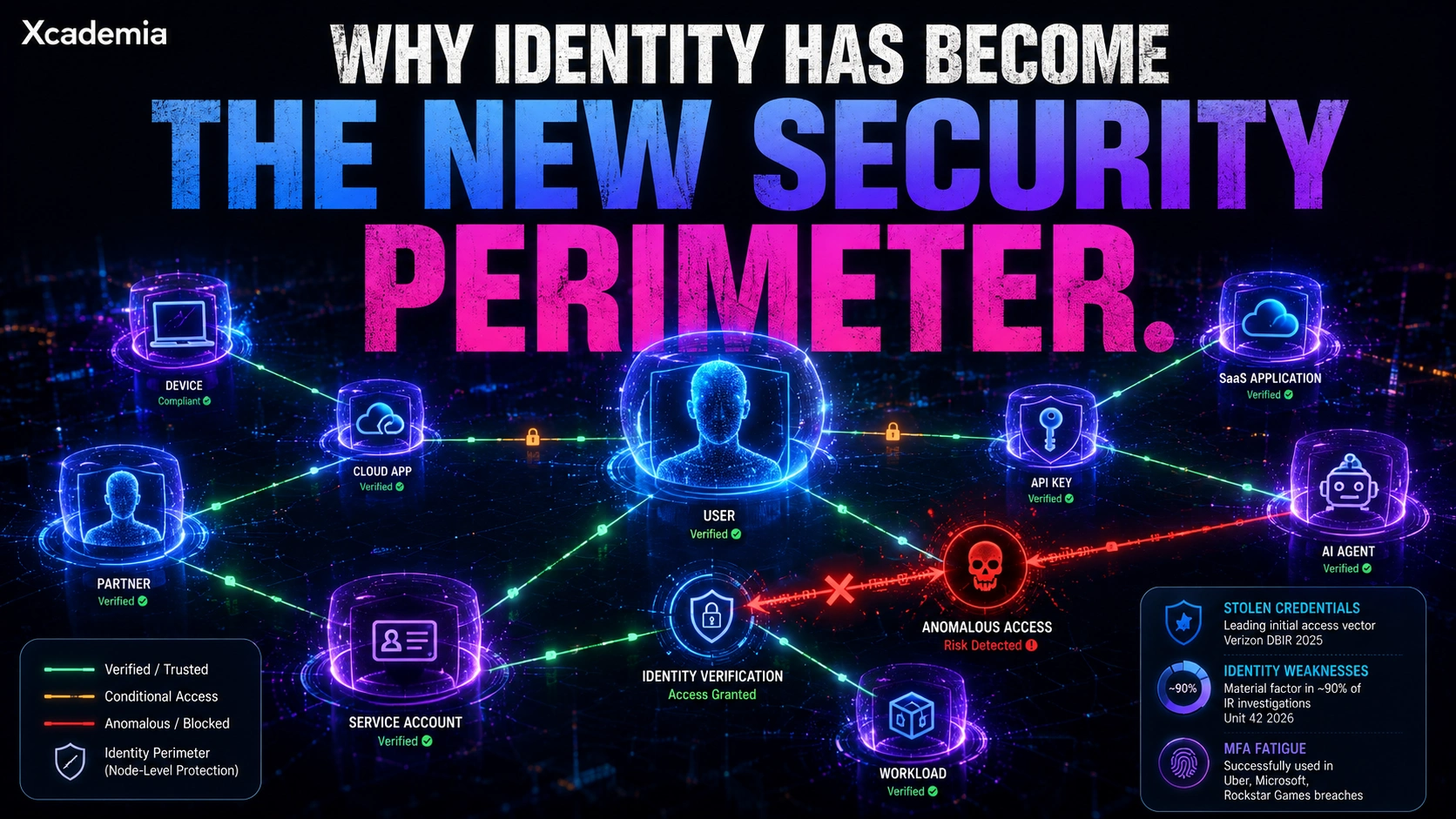 Cybersecurity
Why Identity Has Become the New Security Perimeter
The biggest breaches of the last five years share one pattern: the entry point was a credential, not a vulnerability. Identity is now the perimeter. Here is what that means for every organisation still investing in the wrong defences.
 Industry Trends
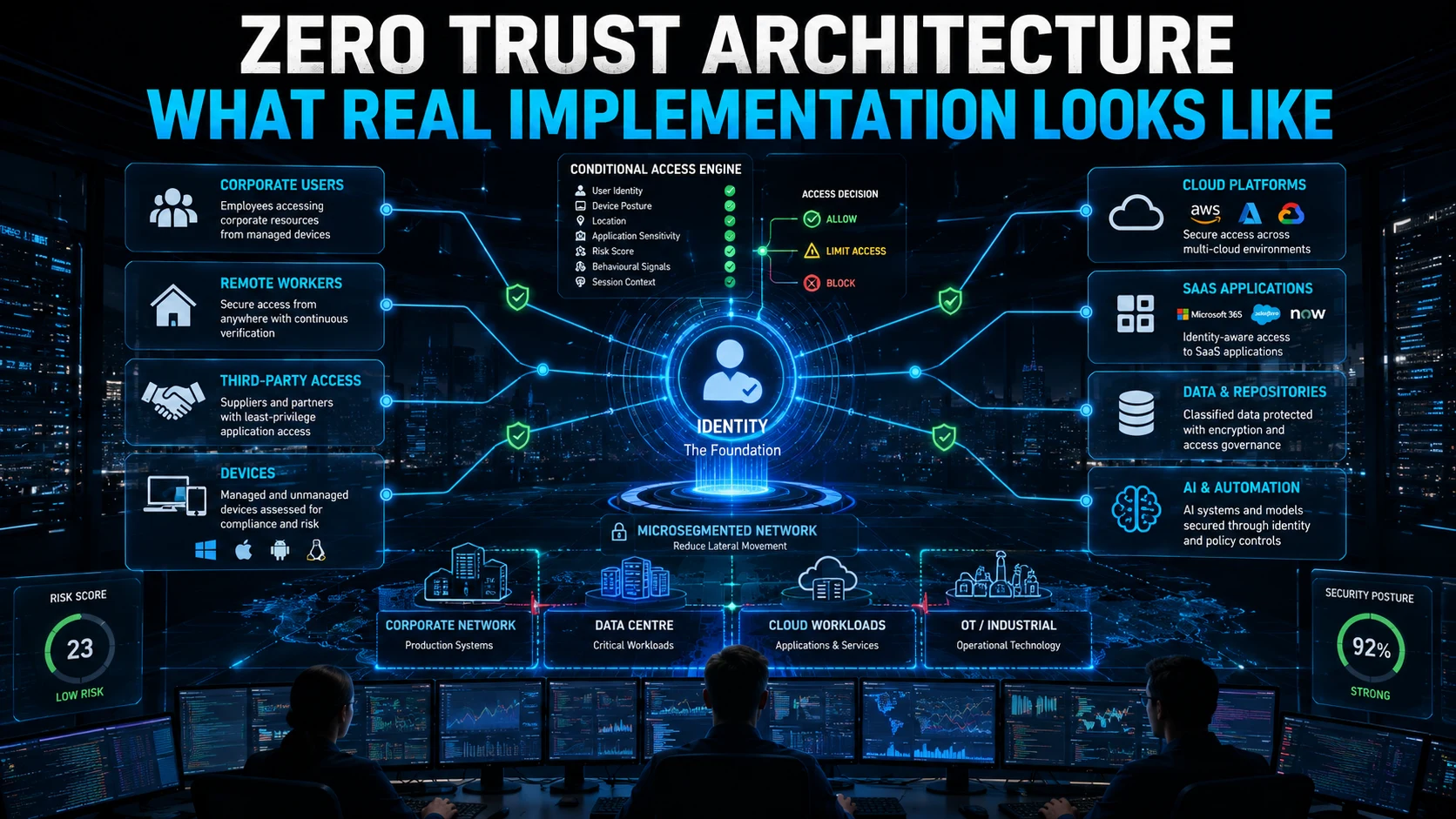
Zero Trust Architecture: What It Actually Takes to Implement in a Real Organisation
Zero Trust is often presented as a cybersecurity product, but real implementation is far more complex. Learn how organisations build Zero Trust architectures through identity, access management, segmentation, governance, and continuous verification across modern enterprise environments.
 Industry Trends
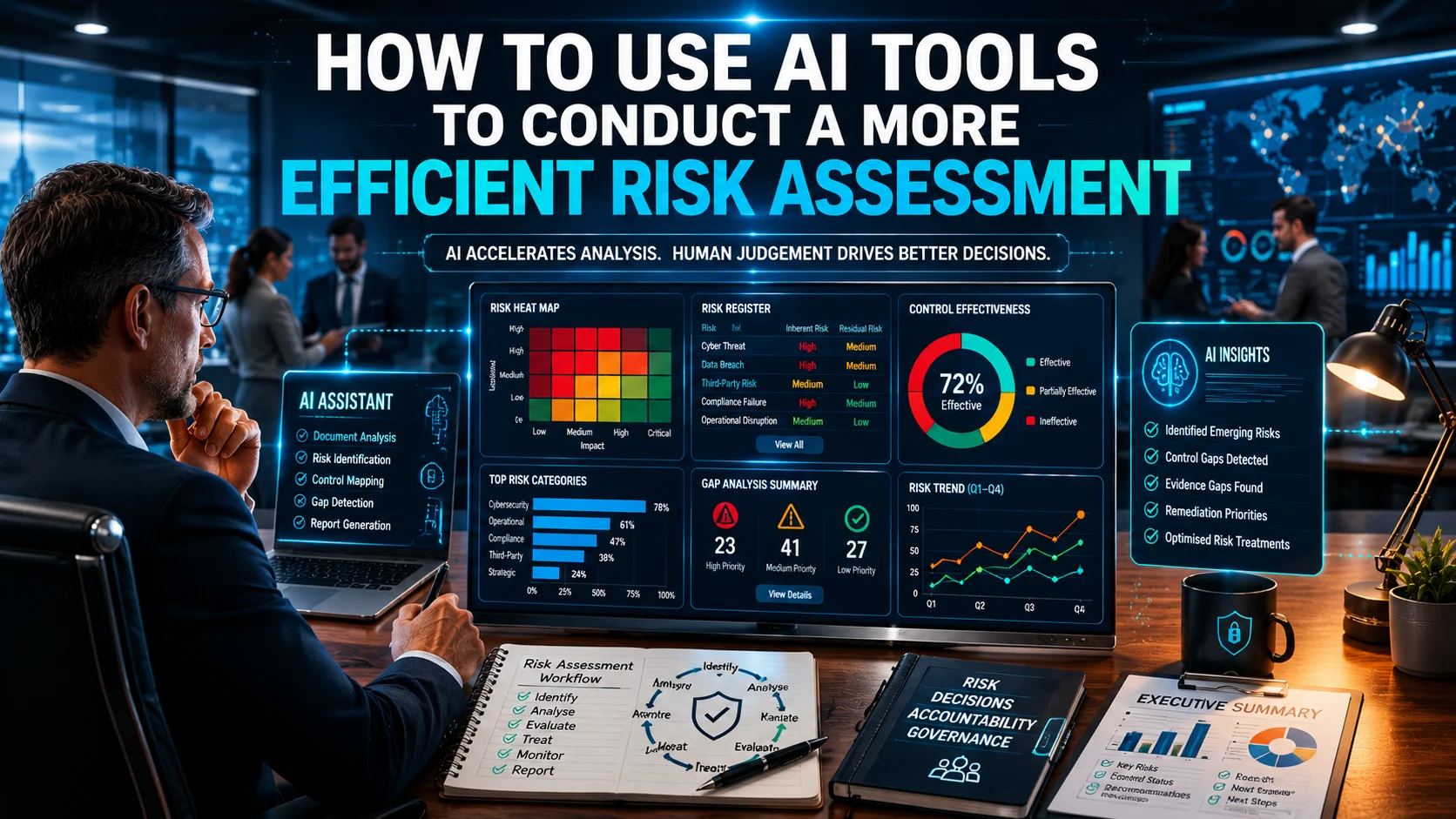
How to Use AI Tools to Conduct a More Efficient Risk Assessment
AI is transforming risk assessment workflows. This guide explains how governance, risk, compliance, and cybersecurity professionals can use AI to review documentation, identify risks, analyse controls, develop treatment plans, and produce reports more efficiently without sacrificing rigour.
 Cybersecurity
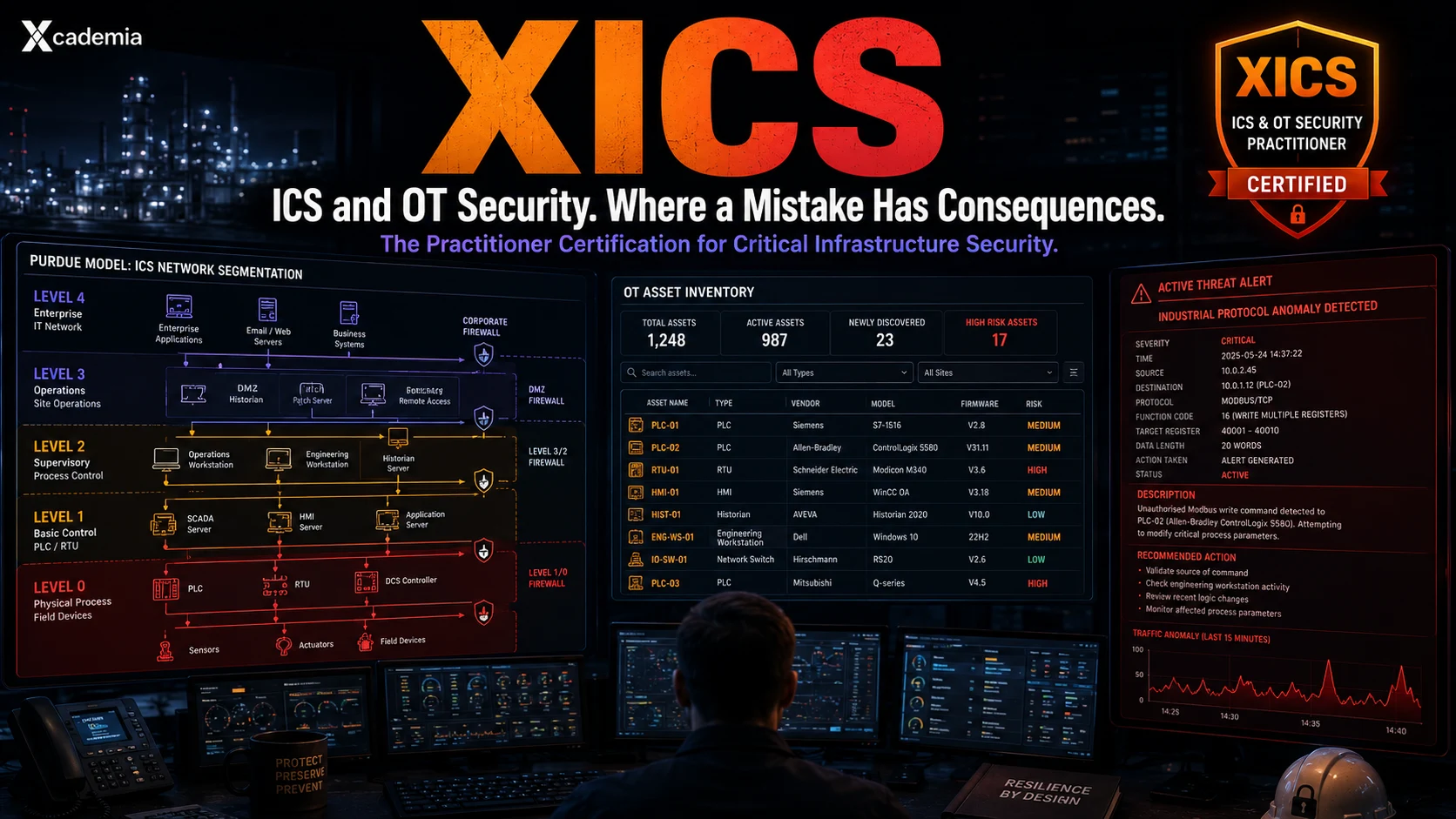
XICS: Xcademia ICS and OT Security Practitioner
OT security is where cybersecurity meets physical consequence. XICS equips IT security professionals with the skills to secure industrial control systems, assess OT risk, analyse industrial protocols, and respond to incidents where the wrong decision can disrupt critical infrastructure.
 Cybersecurity
What Is OT Security and Why It Matters Now
OT security protects the industrial systems that keep power, water, manufacturing, and transport running. Unlike IT security, it prioritises availability and safety. As threats increasingly target critical infrastructure, OT security has become a vital cybersecurity discipline.
 Cybersecurity
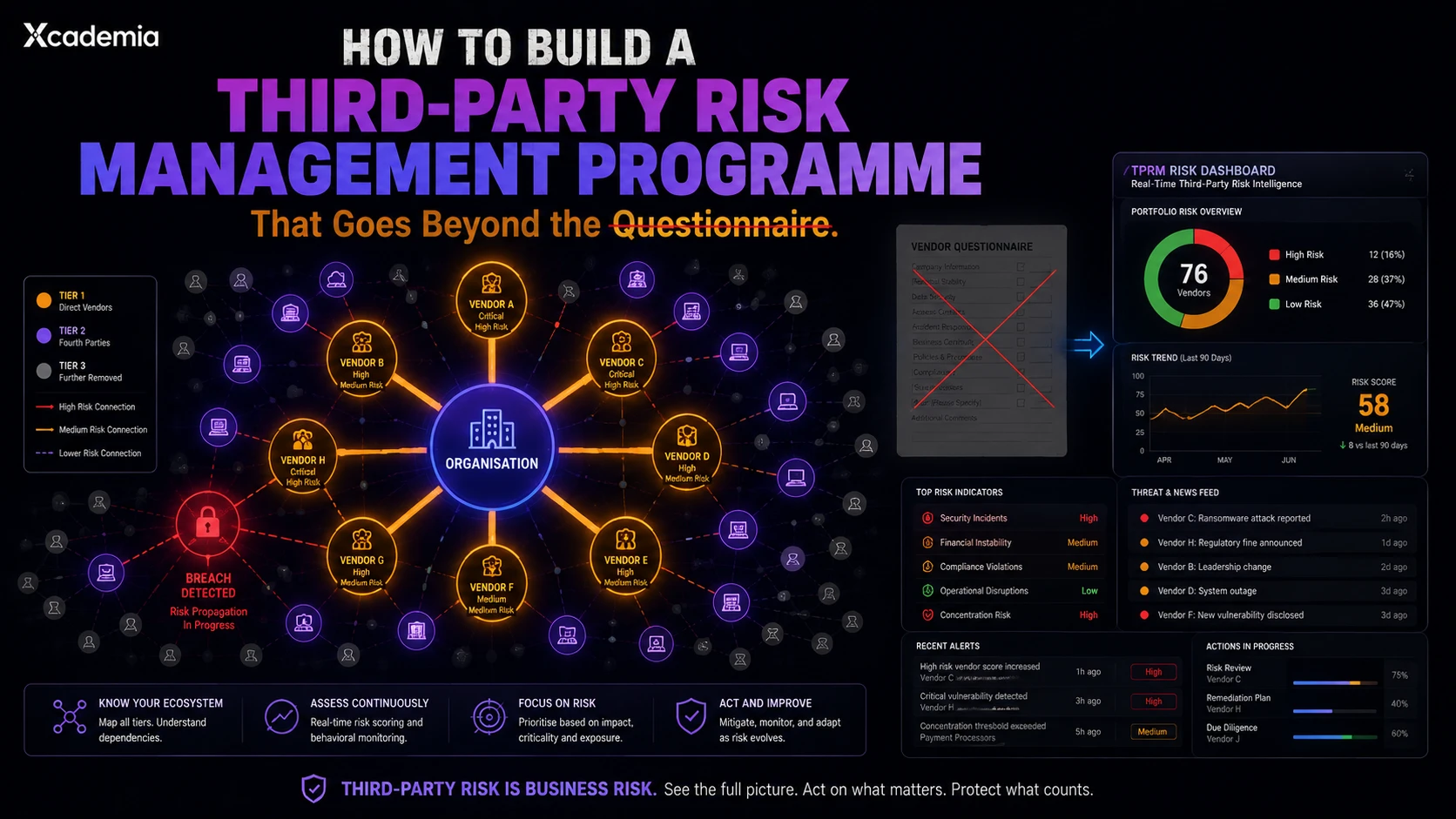
How to Build a Third-Party Risk Management Programme
Most major cyber breaches now originate through suppliers, yet many organisations still rely on annual questionnaires. Learn the five components of an effective TPRM programme, from risk-based assessments and continuous monitoring to fourth-party visibility and DORA compliance.
 Cybersecurity
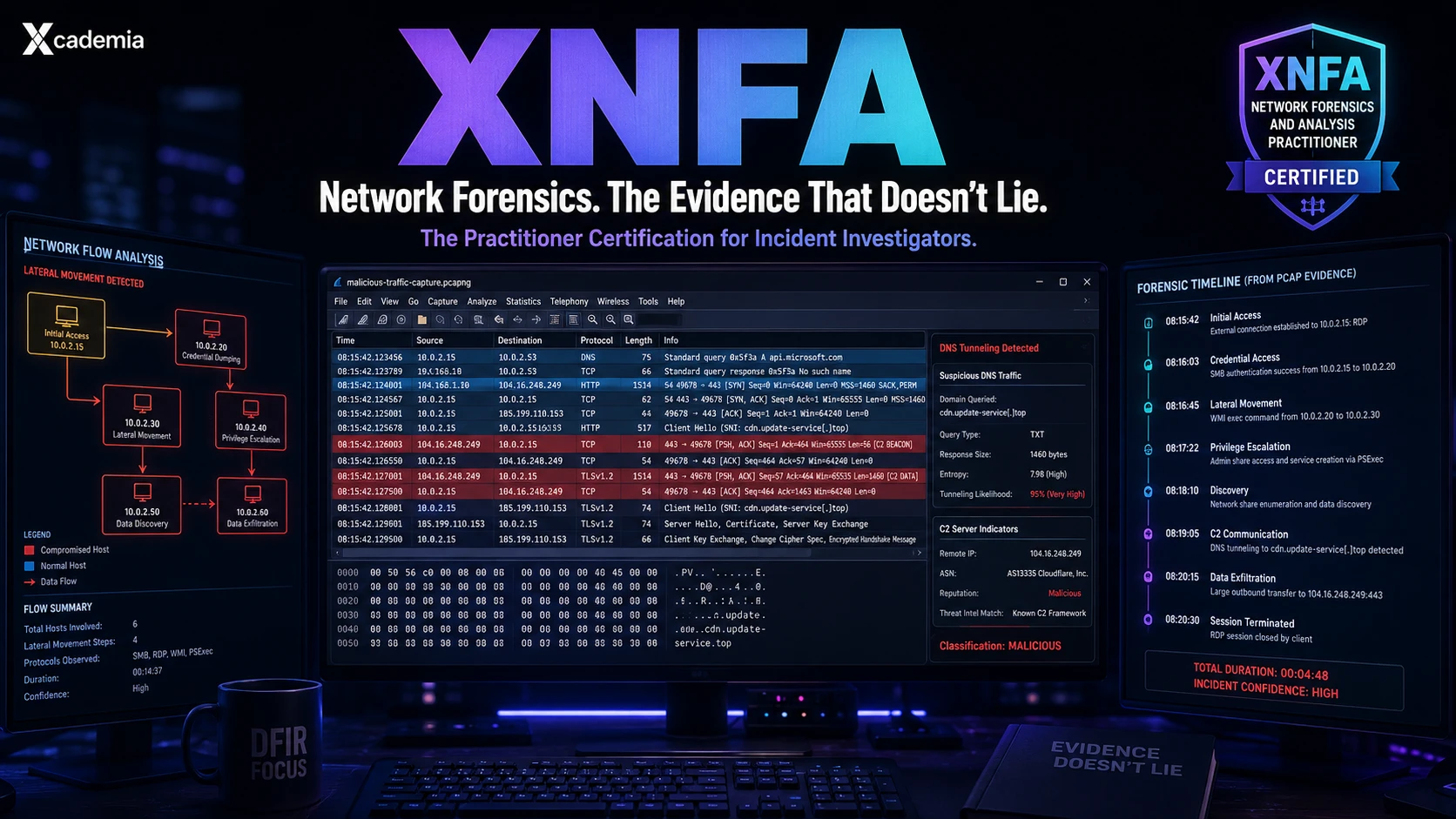
XNFA: Xcademia Network Forensics Analyst
Attackers can erase endpoint artefacts. They cannot erase the packets. XNFA develops the network forensic skills needed to reconstruct breaches from PCAPs, flow data, DNS records, and C2 traffic, turning network evidence into incident timelines that stand up to scrutiny.
 Industry Trends
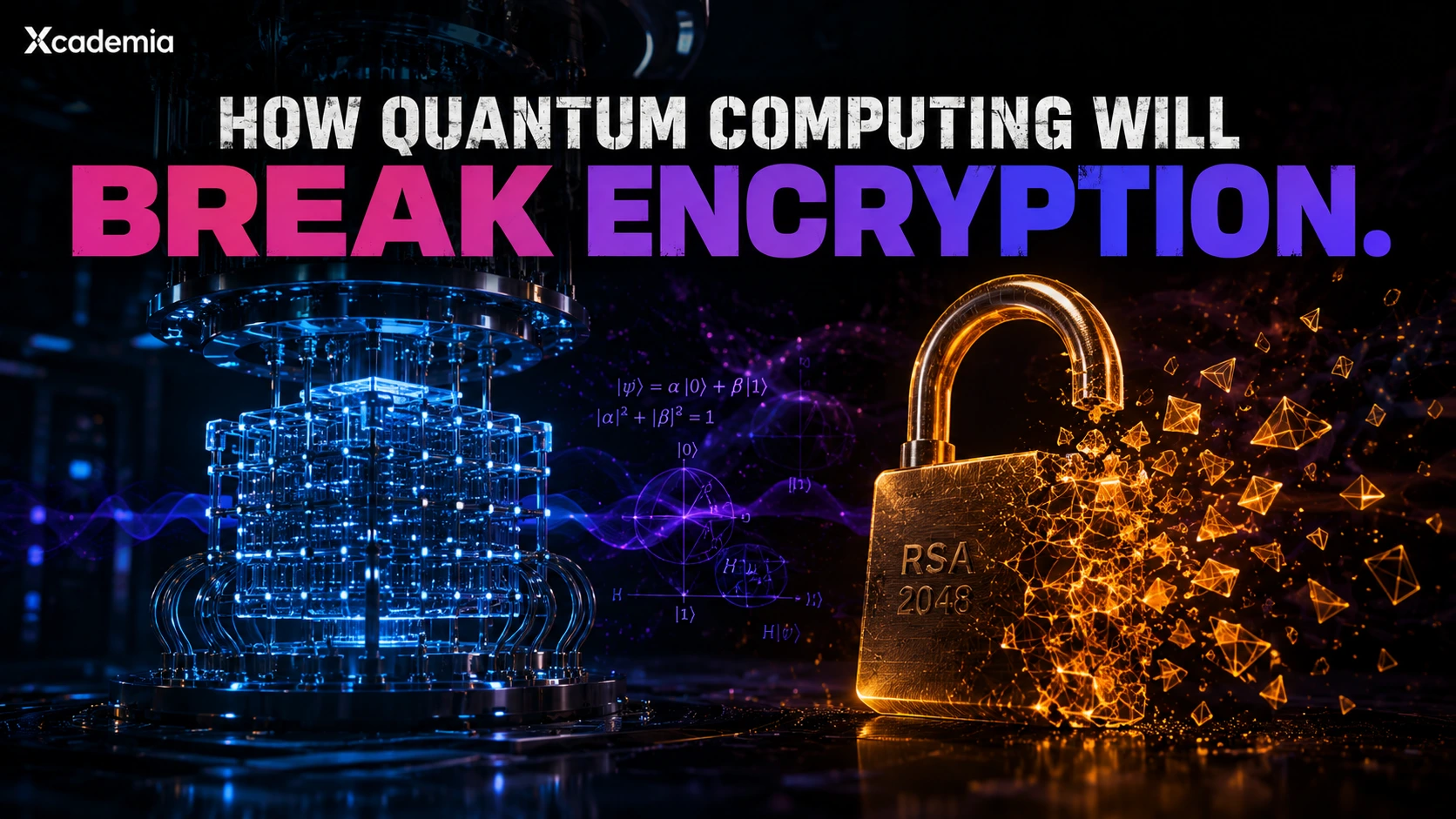
How Quantum Computing Will Break Encryption
Quantum computers will eventually break RSA and ECC encryption. The timeline is uncertain, but the mathematics is not. This guide explains what is fact, what remains theoretical, and why organisations should begin post-quantum preparation now.
 Cybersecurity
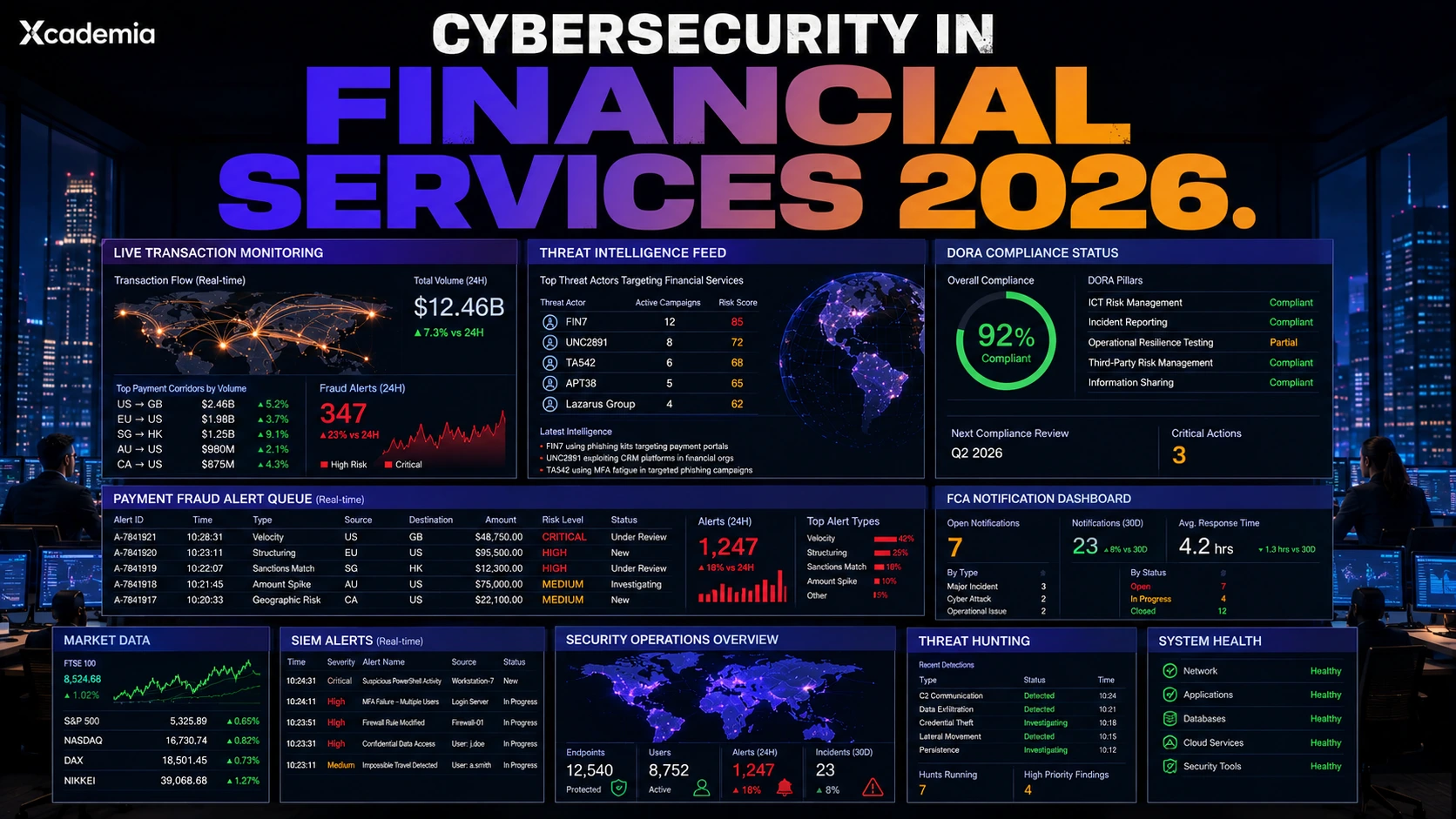
Cybersecurity in Financial Services 2026
Financial services faces the most complex cybersecurity landscape in 2026. From AI-powered fraud and ransomware to DORA, NIS2, and FCA requirements, this guide explores the threats, regulations, and specialist roles shaping security in banking, fintech, and insurance.
 Cybersecurity
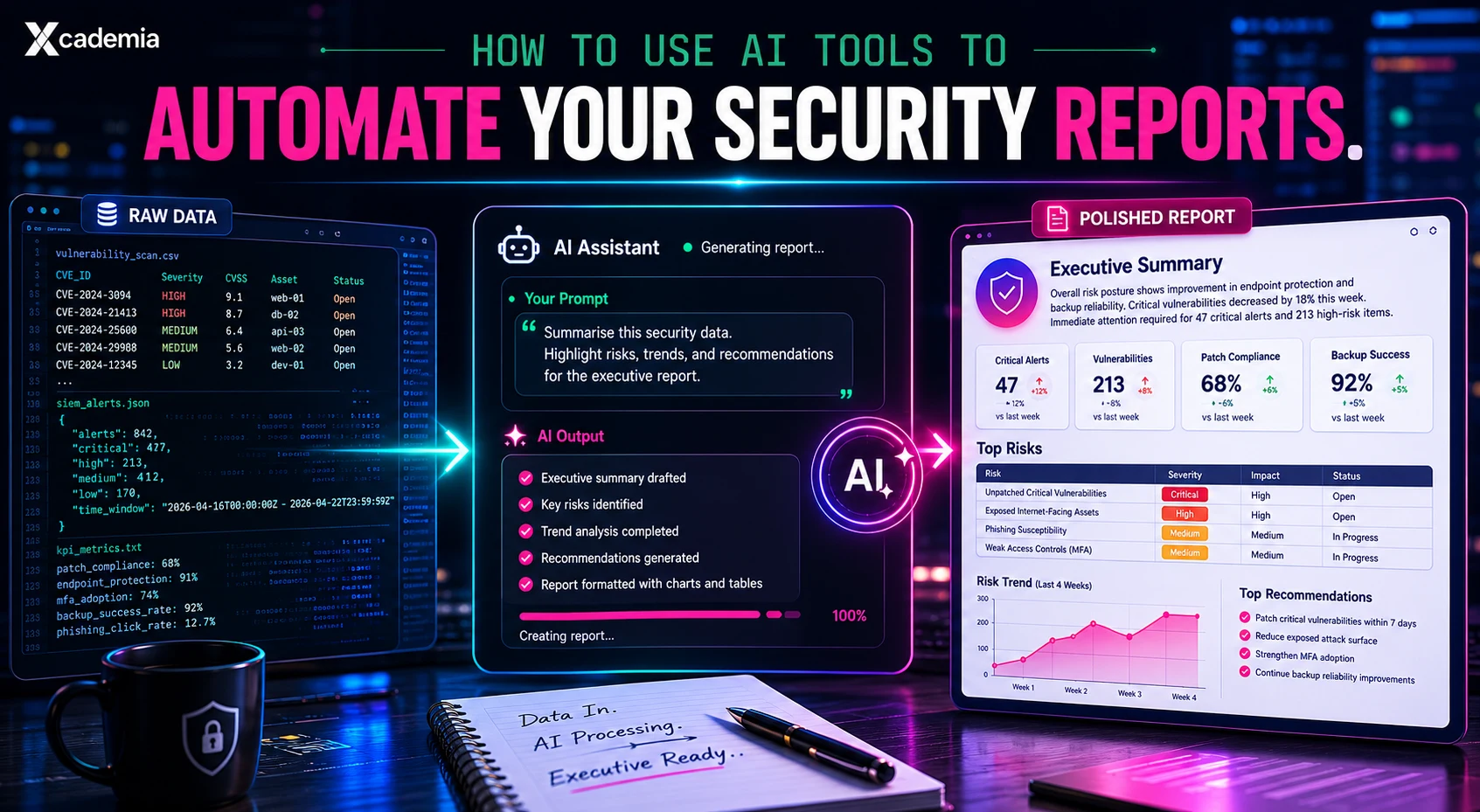
How to Use AI Tools to Automate Your Security Reports
Security professionals spend too much time writing reports and not enough time reducing risk. This practical guide shows how AI can automate six common security reports, cutting reporting time by 70-80% while preserving quality, accuracy, and analyst oversight.
 Cybersecurity
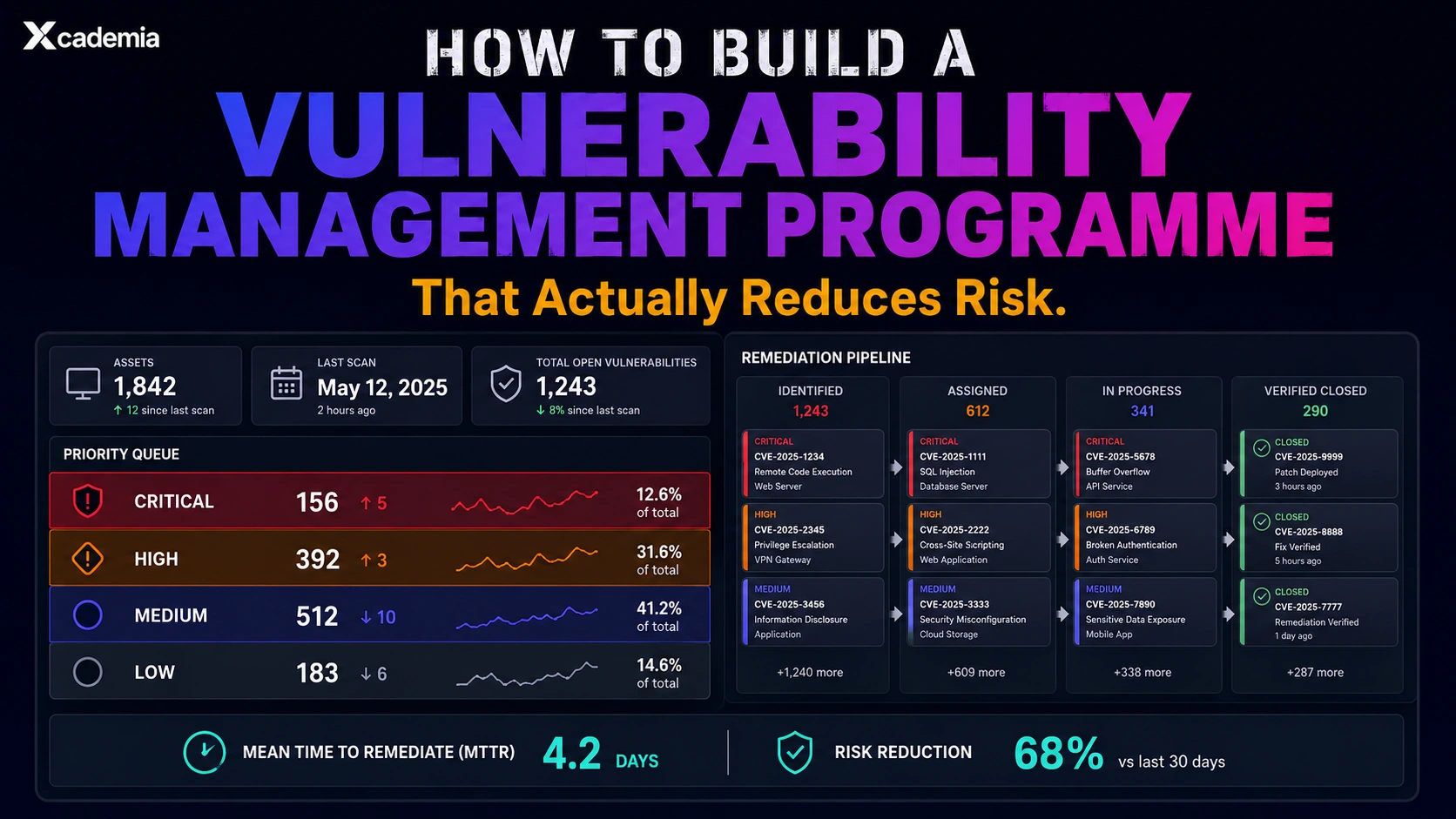
How to Build a Vulnerability Management Programme
Most organisations run vulnerability scans. Fewer run vulnerability management programmes that actually reduce risk. Learn the four-phase VM lifecycle, six metrics that matter, and how to prioritise and remediate vulnerabilities using asset criticality, EPSS, and exposure, not CVSS alone.
 Cybersecurity
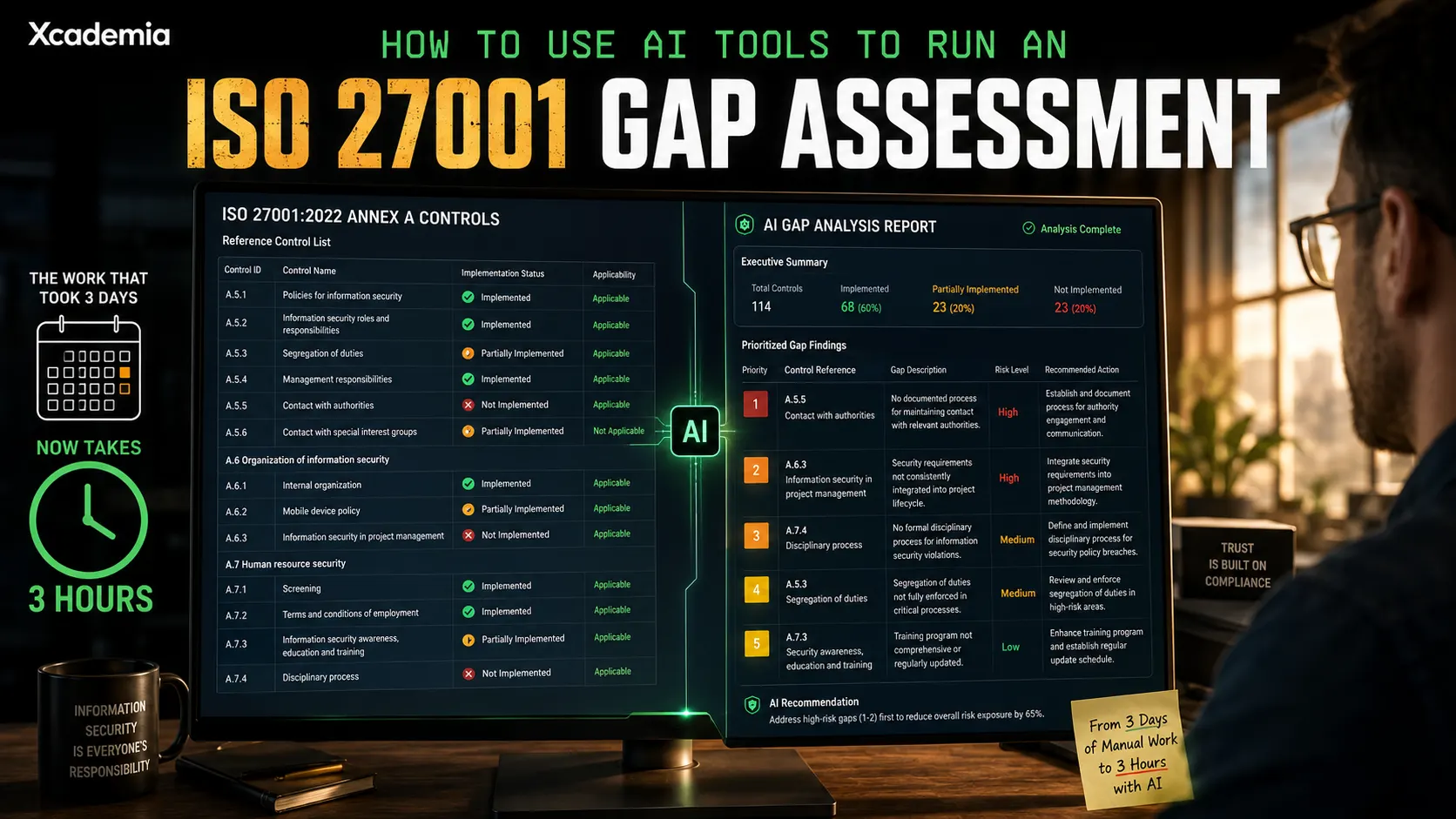
How to Use AI Tools to Run an ISO 27001 Gap Assessment
AI tools can reduce ISO 27001 gap assessment drafting from weeks to hours. This article explains a six-stage workflow for control mapping, gap analysis, remediation planning, and executive reporting while keeping analyst validation and judgement central.