
STOCKSTAY Malware Analysis: Inside Turla's Advanced Cyber Espionage Framework
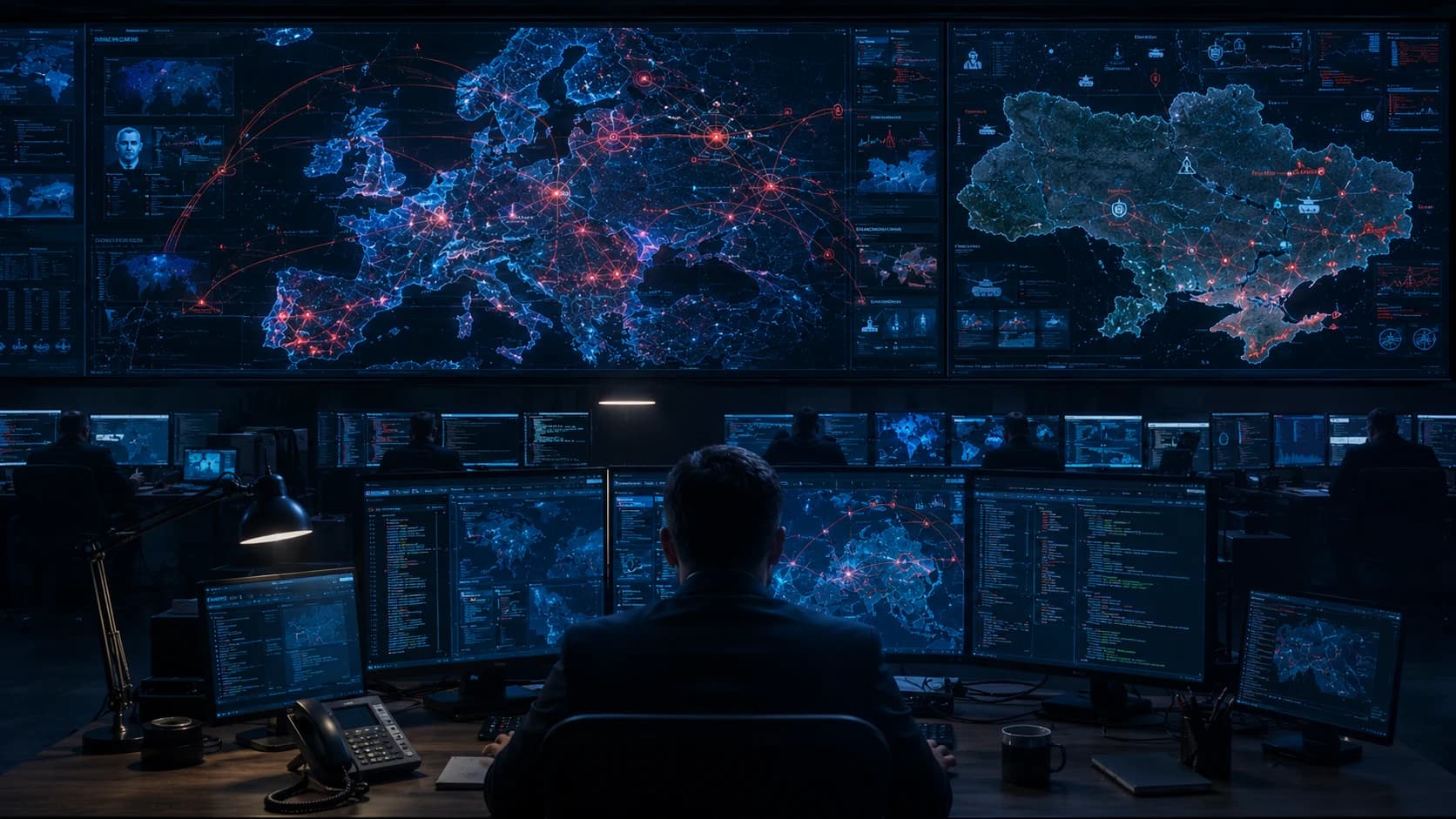
Google Threat Intelligence Group has revealed STOCKSTAY, a stealthy .NET-based backdoor linked to the Russia-associated Turla threat actor. The malware has been used in long-term espionage operations targeting government, military, and diplomatic organizations across Europe.
Xcademia Team
Xcademia Research Team
Introduction
Google's Threat Intelligence Group (GTIG) has uncovered a sophisticated cyber espionage platform known as STOCKSTAY, a stealthy .NET-based backdoor that has been actively deployed by the Russia-linked threat actor Turla since at least December 2022. The malware represents one of the latest additions to Turla's extensive intelligence-gathering arsenal and demonstrates the group's continued investment in advanced espionage capabilities.
The discovery highlights the ongoing cyber conflict involving government, military, and foreign policy organizations. According to GTIG researchers, STOCKSTAY has been used against government and military entities in Ukraine as well as organizations connected to Italian foreign policy interests. The malware shares significant similarities with KAZUAR, another advanced malware platform previously attributed to Turla.
What makes this development particularly important is not merely the existence of a new backdoor, but the evidence suggesting a coordinated evolution of Turla's malware ecosystem. Researchers believe STOCKSTAY may have been developed alongside KAZUAR, reflecting years of operational experience gained through state-sponsored cyber espionage campaigns.
What Happened
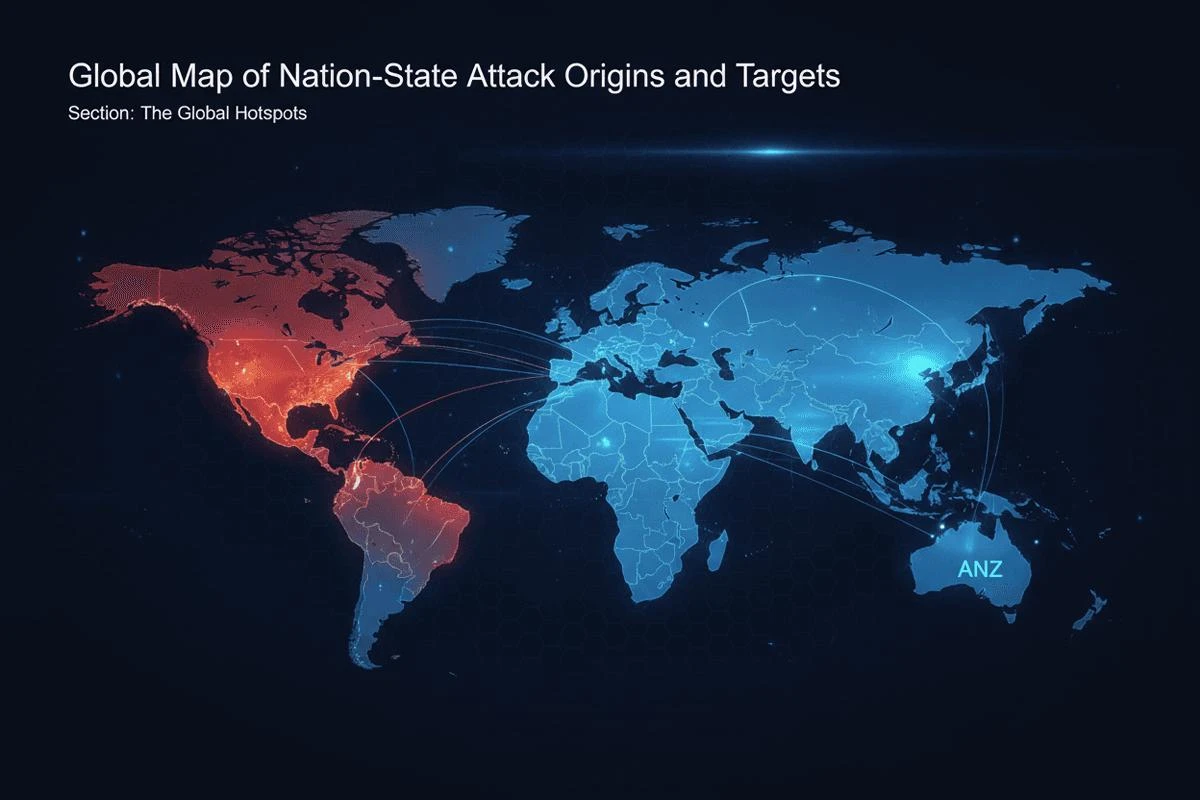
Researchers from Google's Threat Intelligence Group conducted an extensive investigation into STOCKSTAY and determined that the malware has been continuously developed and deployed over several years. The analysis revealed a sophisticated backdoor platform designed primarily for intelligence collection and persistent access within targeted environments.
Turla, also known by aliases including SUMMIT, Secret Blizzard, VENOMOUS BEAR, and UAC-0194, has historically focused on intelligence gathering rather than disruptive attacks. The group's operations frequently target government ministries, diplomatic organizations, military agencies, and foreign affairs institutions.
The newly documented STOCKSTAY malware appears to fit perfectly within this long-established operational model, enabling attackers to maintain long-term access while gathering sensitive information from strategic targets.
Understanding Turla
Turla is widely considered one of the world's most experienced cyber espionage groups.
The actor has reportedly been active since at least 2004 and has been linked by public intelligence assessments to Russian government interests. The group has gained notoriety through sophisticated malware frameworks, covert communication channels, and highly targeted intelligence operations.
Over the years, Turla has been associated with:
Diplomatic espionage
Military intelligence collection
Foreign affairs monitoring
Strategic political intelligence operations
Long-term persistence campaigns
The group's infamous Snake malware platform became one of the most sophisticated cyber espionage tools ever publicly documented. STOCKSTAY appears to continue this tradition of highly specialized intelligence-gathering malware.
Key Findings from Google's Investigation
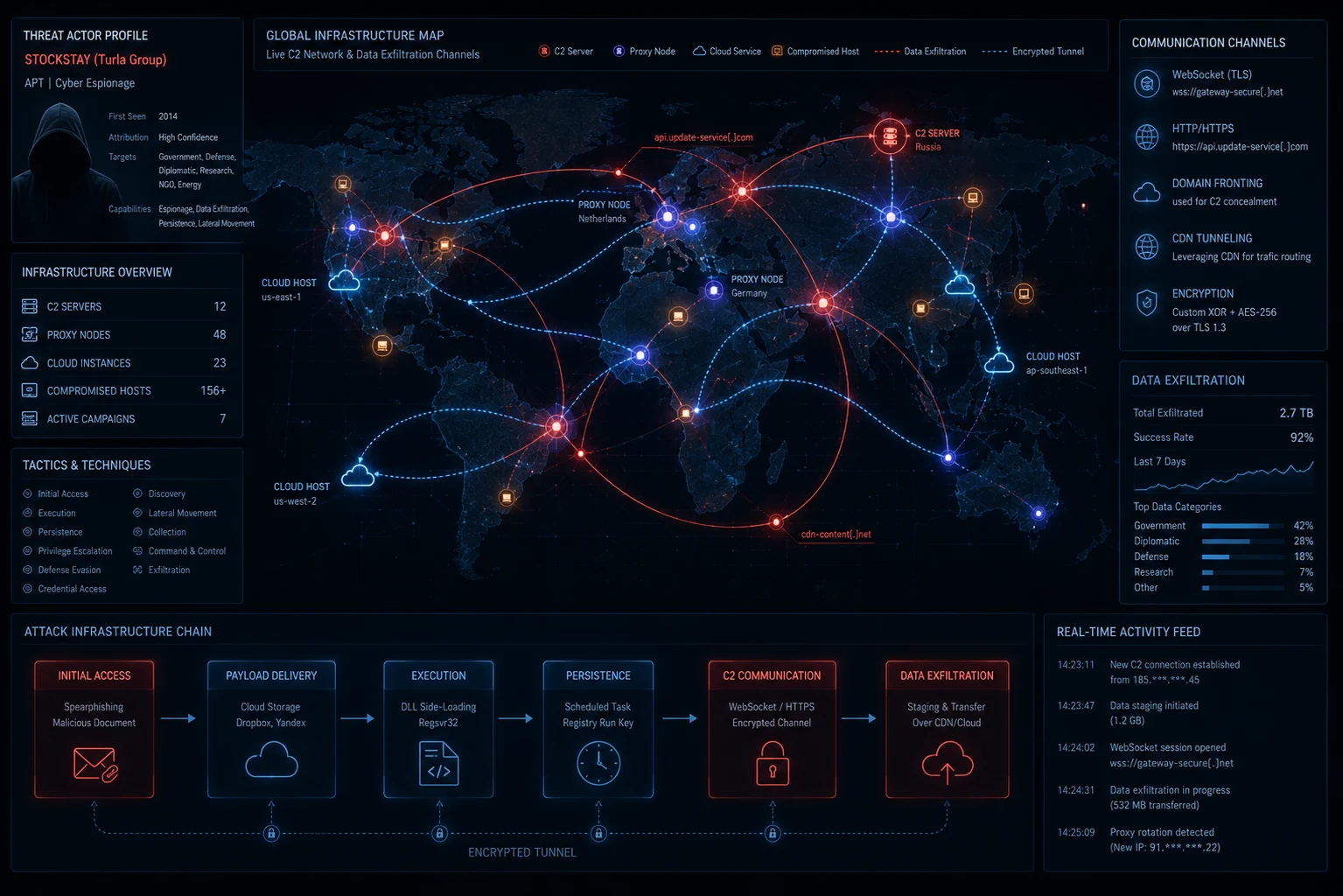
GTIG researchers identified several significant findings.
Continuous Development Since 2022
Analysis indicates STOCKSTAY has undergone active development since at least December 2022. Researchers tracked multiple versions and identified indicators suggesting ongoing refinement and operational deployment.
Significant Overlap with KAZUAR
One of the strongest findings involves code similarities between STOCKSTAY and KAZUAR.
Researchers observed:
Shared architectural concepts
Similar runtime string deobfuscation mechanisms
Comparable malware design principles
Overlapping operational functionality
These similarities suggest a common development lineage or coordinated development effort.
Intelligence Collection Focus
Unlike ransomware or destructive malware, STOCKSTAY appears designed primarily for covert intelligence gathering and long-term surveillance within compromised networks.
Technical Analysis
Malware Architecture
STOCKSTAY is a .NET-based backdoor capable of establishing persistent access within victim environments.
Researchers identified sophisticated mechanisms designed to:
Obfuscate malware functionality
Hide operational activity
Maintain long-term access
Support intelligence collection missions
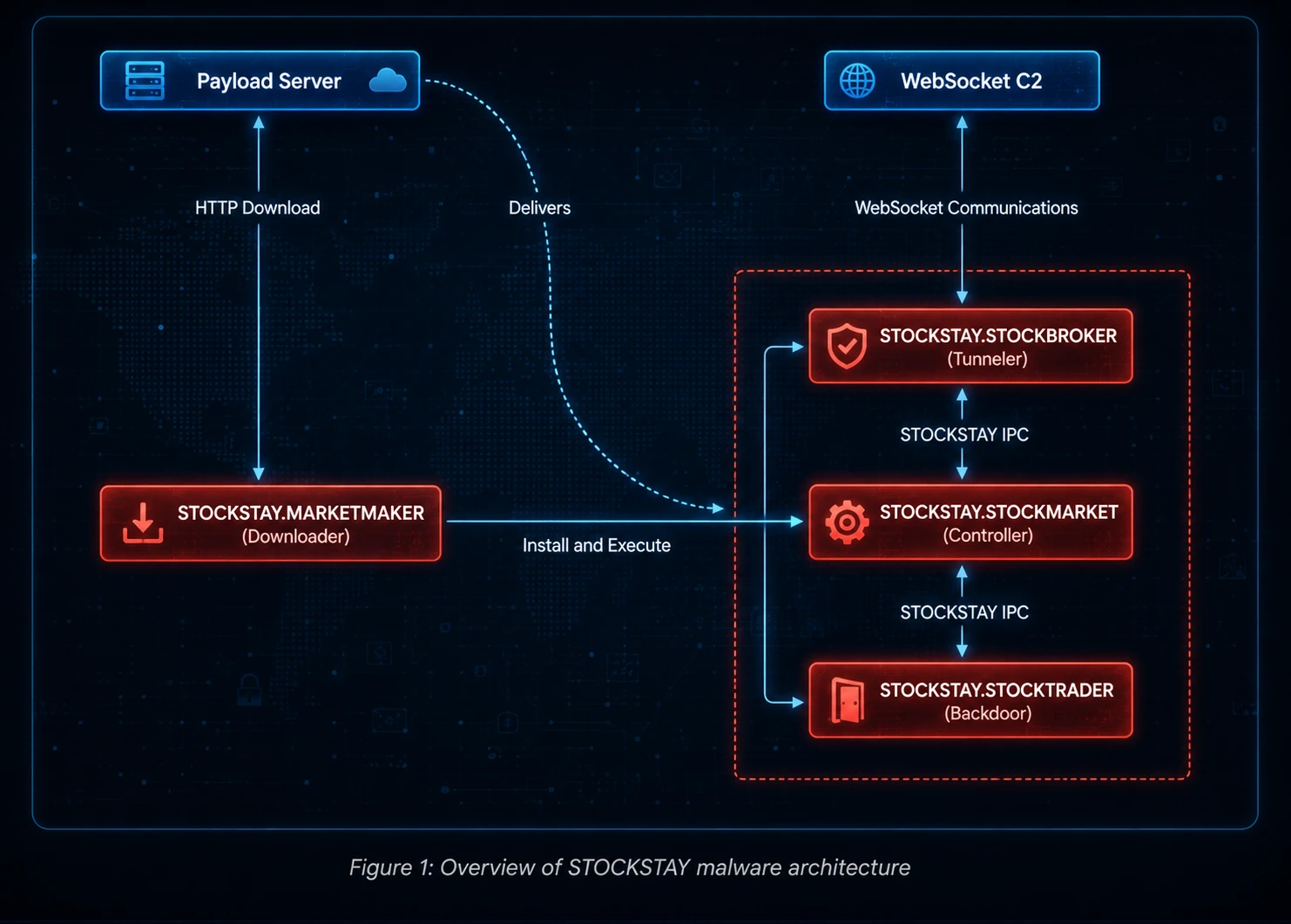
The malware leverages runtime deobfuscation techniques that conceal strings and operational logic until execution. This approach complicates analysis and detection efforts.
K1MORPHER Obfuscation Component
GTIG discovered malware components utilizing a class known as K1.Morpher.
The module supports runtime deobfuscation of:
Strings
Integers
Arrays
Other application data structures
This capability enables attackers to conceal operational behavior from security products and analysts.
Environmental Awareness
Researchers also highlighted similarities with DIAMONDBACK, another malware component associated with Turla operations.
The malware uses environmental attributes such as:
Hostnames
Usernames
Domain information
to decrypt payloads only within intended victim environments. This significantly reduces exposure during analysis and makes malware samples more difficult to reverse engineer.
Why This Matters
The discovery of STOCKSTAY demonstrates several important trends in modern cyber espionage.
Nation-State Threats Continue to Evolve
Advanced threat actors are not relying solely on legacy malware platforms. Instead, they are continuously developing new tools while refining existing frameworks.
Long-Term Intelligence Collection Remains a Priority
The campaign reinforces the importance of cyber operations as an intelligence-gathering mechanism rather than merely a means of disruption.
Defense Organizations Remain High-Value Targets
Government agencies, military institutions, and diplomatic organizations continue to face sustained targeting by sophisticated adversaries.
Who Is Affected
Based on GTIG findings, potential targets include:
Government agencies
Defense organizations
Military institutions
Foreign affairs ministries
Diplomatic organizations
Strategic policy organizations
Intelligence-related entities
Particular attention has been directed toward Ukrainian government and military targets as well as organizations connected to Italian foreign policy interests.
Industry Response
The publication of Google's findings provides defenders with valuable intelligence regarding:
Malware behavior
Infrastructure indicators
Development patterns
Detection opportunities
Threat intelligence teams can use these insights to enhance monitoring, detection engineering, and proactive threat hunting activities.
Future Implications
STOCKSTAY illustrates a broader evolution within nation-state cyber operations.
Organizations should expect:
More sophisticated malware ecosystems
Increased use of obfuscation
Longer-term persistence techniques
Greater integration between malware families
Enhanced operational security by threat actors
The overlap between STOCKSTAY and KAZUAR suggests future malware families may continue sharing development resources and operational techniques.
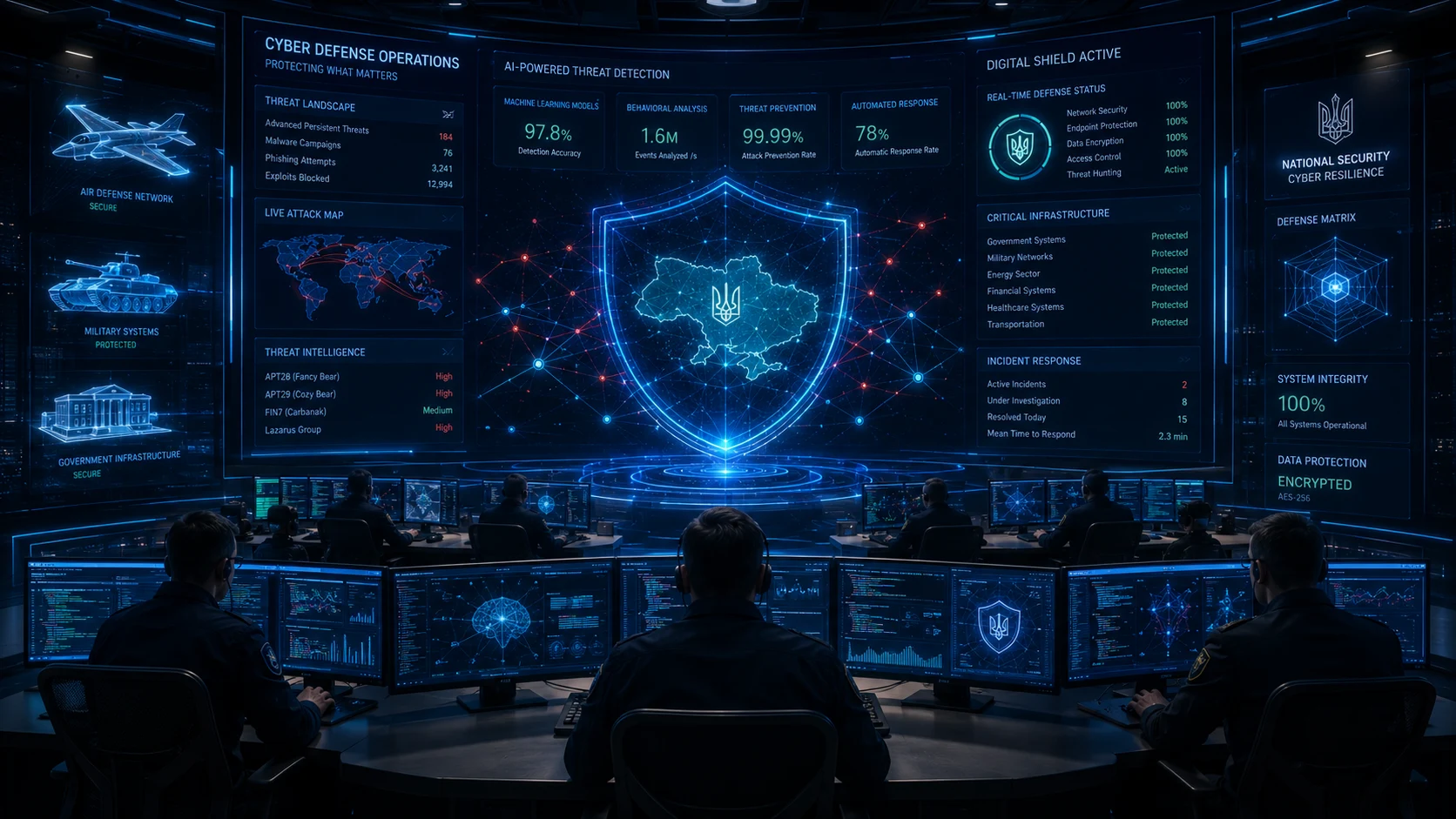
Key Insights Table
Topic | Details |
|---|---|
Incident | Discovery of STOCKSTAY cyber espionage backdoor |
Discovery Date | June 2026 |
Threat Actor | Turla (Russia-linked) |
Malware Type | .NET Backdoor |
Primary Purpose | Intelligence Gathering |
Target Sectors | Government, Military, Foreign Affairs |
Regions Observed | Ukraine, Italy-related interests |
Related Malware | KAZUAR |
Risk Level | High |
Recommended Actions | Monitoring, Threat Hunting, IOC Detection |
Technical Explanation
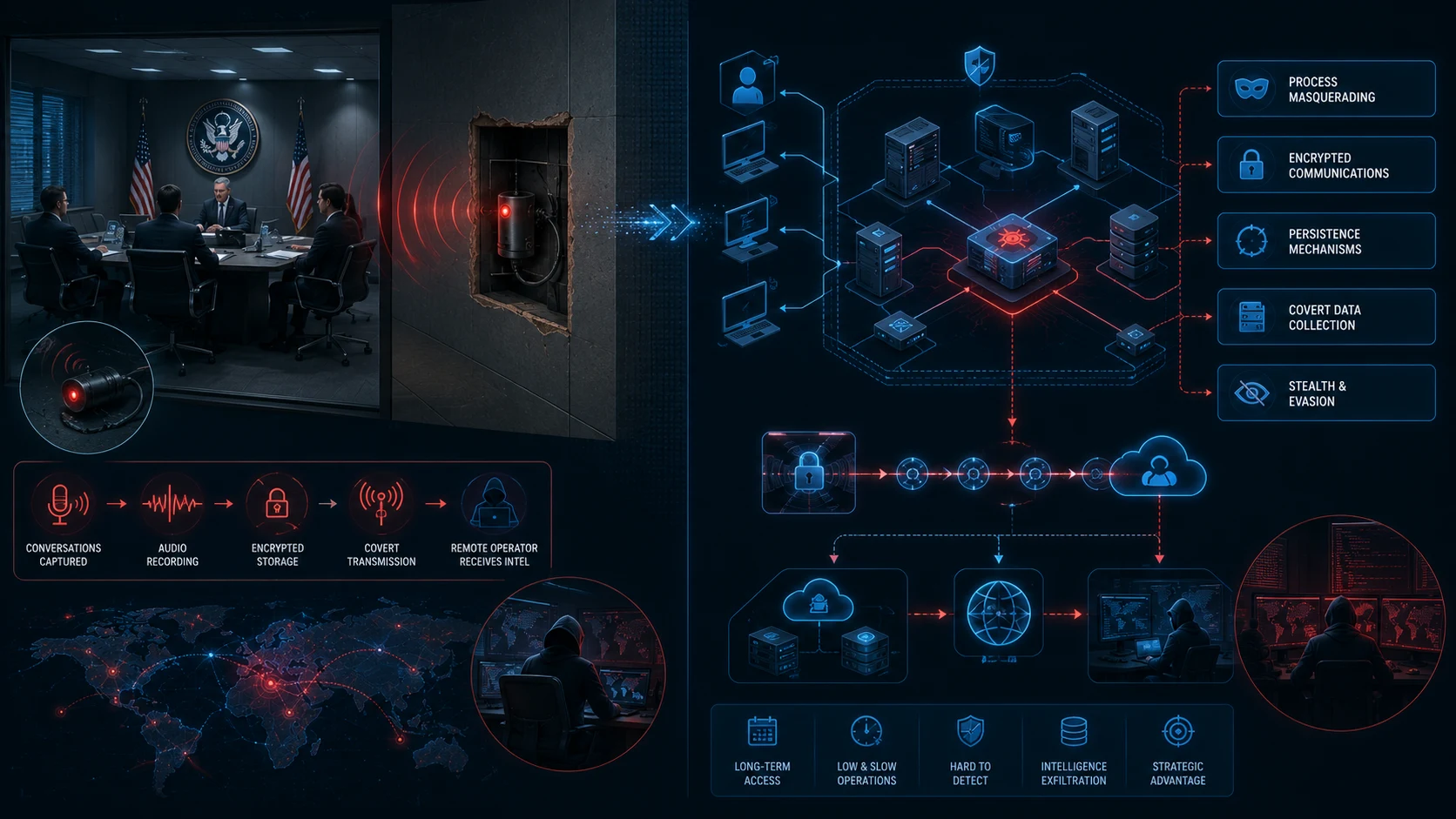
Imagine a burglar secretly placing a hidden listening device inside a government building.
The device does not steal money or destroy property. Instead, it quietly listens, records conversations, and reports information back to its operators.
STOCKSTAY functions in a similar way inside computer networks.
Once installed, it allows attackers to remain hidden while gathering information over long periods. The malware disguises itself using advanced concealment techniques and communicates with attacker-controlled infrastructure without attracting attention. This makes detection significantly more challenging than traditional malware.
Indicators of Compromise
Indicator Type | Value |
|---|---|
Threat Actor | Turla |
Malware | STOCKSTAY |
Related Malware | KAZUAR |
Related Component | DIAMONDBACK |
Runtime Class | K1.Morpher |
WebSocket Library SHA256 | d1e54270433a94aa3d45d888e4c62299bee3480eb2cb4a5489c7dda69d476c3e |
Example C2 |
Source: GTIG Research Report.
Detection Example (Sigma)
title: Potential STOCKSTAY WebSocket Activity
id: stockstay-websocket-detection
status: experimental

logsource:
  category: network_connection

detection:
  selection:
    DestinationHostname|contains:
      - "glitch.me"
      - "websocket"
  condition: selection

level: high
Security Recommendations
Organizations should:
Conduct proactive threat hunting.
Monitor unusual WebSocket communications.
Review outbound connections from sensitive systems.
Deploy advanced endpoint detection solutions.
Monitor government and defense systems closely.
Implement network segmentation.
Maintain updated threat intelligence feeds.
Enable centralized logging and SIEM monitoring.
Conduct regular malware scans.
Review persistence mechanisms on critical assets.
Conclusion
Google's analysis of STOCKSTAY provides a rare look into the continuing evolution of one of the world's most experienced cyber espionage groups. The malware's strong similarities to KAZUAR, combined with years of ongoing development, demonstrate Turla's commitment to maintaining sophisticated intelligence-gathering capabilities.
For defenders, the discovery serves as another reminder that nation-state adversaries continue to refine their tools, techniques, and operational security. Organizations supporting government, military, diplomatic, and strategic interests should use the newly published intelligence to strengthen detection, monitoring, and threat-hunting efforts against advanced persistent threats.
About the Author